
What Are Buddha Bowls? A Simple Guide to Nutritious and Balanced Meals
First, what are Buddha bowls? For me, it’s one of the simplest and easiest ways to eat healthily. It allowing me to enjoy a nutritionally balanced meal at any time of day.
You might call them energy bowls, happiness bowls, nourishing bowls, or hippie bowls. Whatever you call them, Buddha bowls are a nutritious and healthy meal filled with various natural ingredients that nourish the body and mind. Eating from one will make you feel incredibly comfortable.
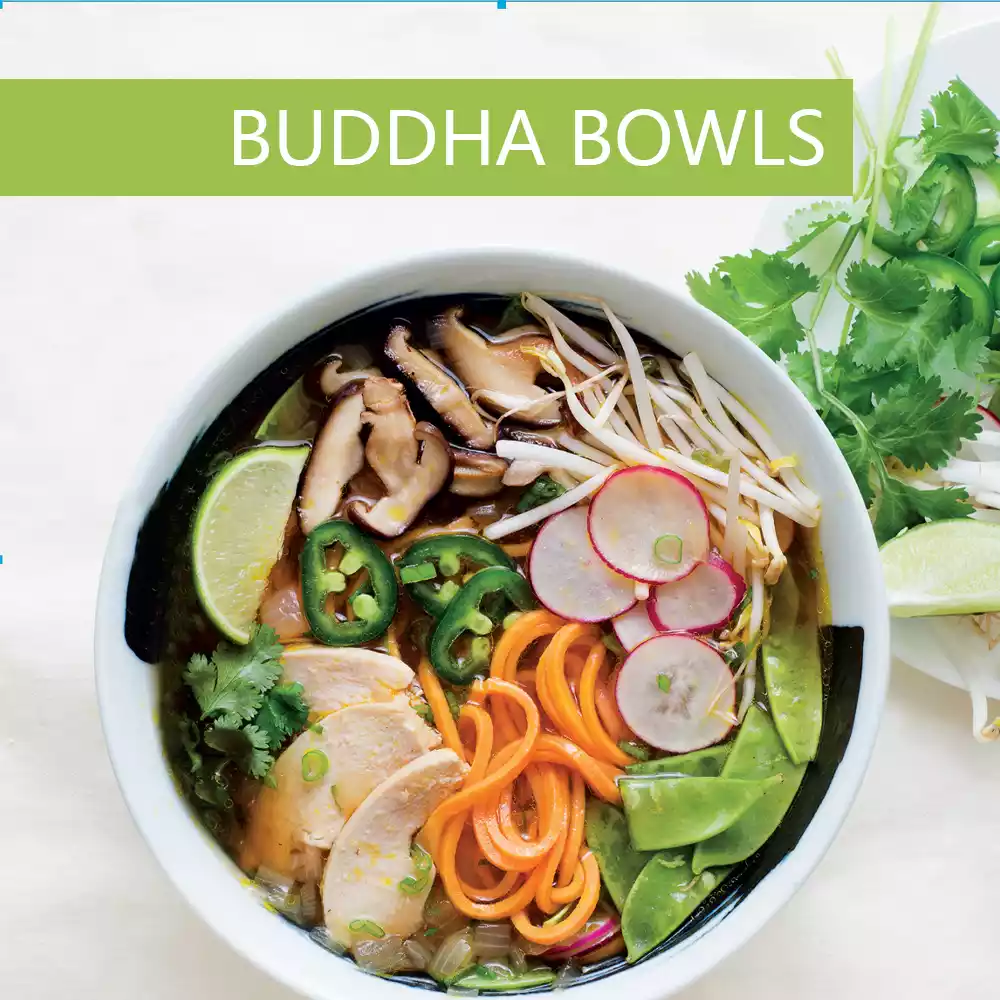
What’s are Balanced Buddha Bowl Include
A Buddha bowl is a balanced meal that combines protein, vegetables, and healthy fats to provide you with a nutritious and satisfying meal. Each Buddha bowl is based on whole grains, rice, noodles, or beans (or a combination of these). Then we add plenty of cooked or raw vegetables. We often along with a handful or two of fresh leafy greens, as well as protein from meat, fish, eggs, tofu, or beans, and finally topped with a sauce, gravy, or broth. All the ingredients come together in one large bowl to create a simple and healthy meal.
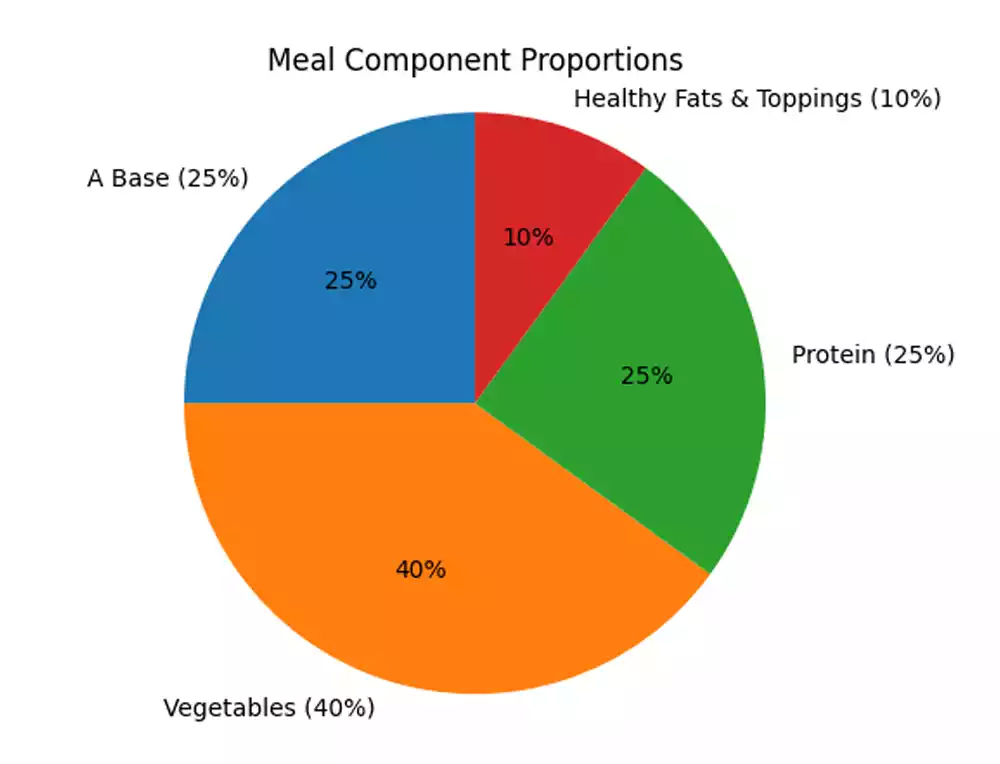
- A Base (about 25%): Whole grains like quinoa or brown rice, rice, noodles, or legumes.
- Vegetables (about 35-40%): A generous mix of cooked or raw veggies, often including a handful of fresh leafy greens like spinach or kale.
- Protein (about 25%): Such as tofu, chickpeas, black beans, lentils, eggs, fish, or meat.
- Healthy Fats & Toppings (about 10%): Like avocado, nuts, seeds, or a drizzle of olive oil.
- Sauce or Dressing: The finishing touch that brings all the flavors together, from a creamy tahini to a zesty lemon herb dressing.
Our blog of buddha bowls
In this blog post, you’ll find a series of easy-to-make, healthy, and delicious Buddha bowl recipes, covering breakfast, lunch, dinner, and even dessert. Each Buddha bowl combines familiar ingredients with fresh—and sometimes even unexpected—ingredients, making each bowl fresh, surprising, and nutritious. I hope these recipes will bring you joy and inspire you to create your own unique Buddha bowl.
There are many theories about why these bowls filled with food got their name. But none is universally accepted. One of the most common explanations is that the bowls are named for their shape, which resembles the round belly of the Buddha. If you want get some books of buddha bowls, please contact us. We will send you the pdf of books.
How to building a buddha bowl
Building a Buddha bowl is like one of those choose-your-own-adventure books. There are no strict rules and creativity is highly encouraged. In fact, Buddha bowls require more of a template and some inspiration rather than recipes that are set in stone. It’s a meal that’s incredibly versatile and highly adaptable, which means swapping different ingredients in or out of any recipe is always easy. Get the foundation for building a Buddha bowl down and you’ll see endless possibilities for how easy it is to make them your own.
When building Buddha bowls, I like to break the meal down into four basic components: grains, a protein, vegetables and fruit, and sauce, plus an extra finishing touch. Let’s take a look at each one.
Grains, Noodles, and Beyond in buddha bowl
Quinoa and brown rice are two of the most common bowl food bases, but they only scratch the surface of the realm of possibilities. Whole grains—including barley, buckwheat, freekeh, millet, and wild rice, just to name a few—are all fair game. These are high-fiber foods that provide carbohy- drates, and in some cases a punch of protein.
But grains are just one option! Remember, versatility reigns supreme, so noodles like soba or rice noodles, even vegetable noodles and alternative “grains,” like riced cauliflower or broccoli, are also great choices for your bowl base.
In the next section you’ll find a helpful guide for cooking each type of bowl base. And a few tricks for making even more flavorful grains, rice, and noodles.
Protein in buddha bowl
A wholesome source of protein is what gives this one-bowl meal substance and plays an important roll in filling you up. Regardless of whether you’re cooking up a Buddha bowl for breakfast, lunch, or dinner, protein is a must. Some bowls will include meat, chicken, fish, or eggs while vegetarian and vegan bowls rely on tofu, tempeh, beans, and legumes as the main protein source. Even nuts, seeds, certain grains, or a spoonful of Greek yogurt can make a bowl more filling.
Vegetables and Fruit in buddha bowl
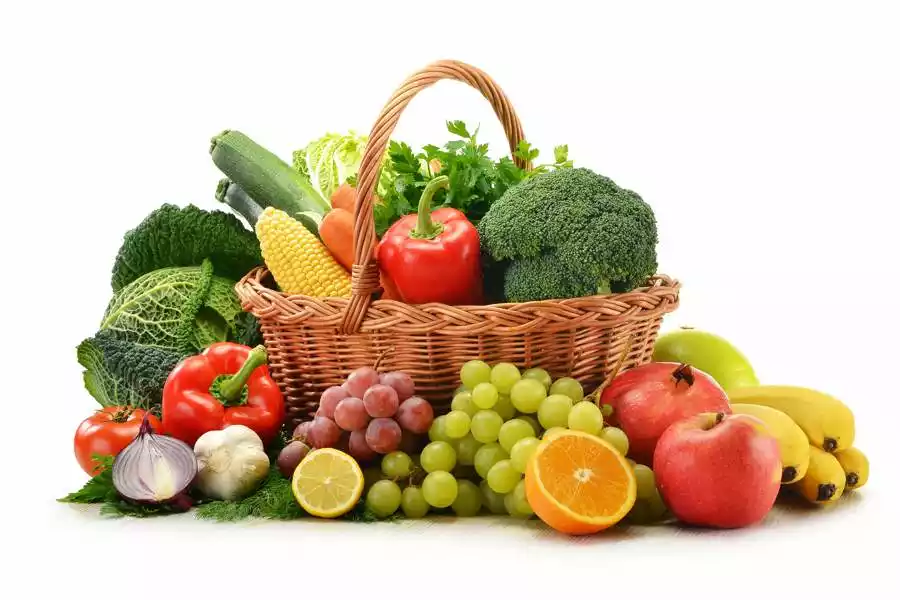
Vegetables are the heart and soul of any Buddha bowl, and make up about half of the bowl. This is where anything goes: All types of produce—cooked, raw, or a mix of the two—are fair game. A variety of vegetables not only makes for a more colorful meal, but it also means a variety of tastes and textures that instantly creates a more interesting bowl.
Dressing, Sauce, or Broth in buddha bowl
No Buddha bowl is complete without something saucy to top it off! This is the final element that takes a Buddha bowl from good to great. It doesn’t matter if it’s a creamy sauce or pesto, a tangy dressing, or a savory broth—any one will do. It’s the finishing touch that adds another dimen- sion of flavor and ties all the ingredients together. When made with healthy oils, nut butter, yogurt, or avocado, sauces and dressings are a source of good fats, which also aid in making your bowl more filling.
Toppings and Garnishes in buddha bowl
I know I mentioned that Buddha bowls have just four components, and they do—but a little something extra in the way of a topping or garnish is always a good idea. Finishing off your Buddha bowl with some toasted nuts or seeds, kimchi or sauerkraut, or fresh herbs is optional but highly recommended. Not only does it make any bowl look great, but it also adds texture, crunch, a tangy twist, or a pop of freshness that makes your bowl feel more special.
Each recipe includes suggested toppings and garnishes that complement the bowl, though you’ll notice that unlike the other ingredients in the recipe, the amount is not specified. Use a little or use a lot—this part is entirely up to you.
EMBRACE THE MEANWHILE
“Embrace the meanwhile” is one of my favorite mantras in the kitchen, and it’s particularly useful when making Buddha bowls. It is a smart and helpful tactic that helps you maximize your time in the kitchen, work more efficiently, and get your bowls on the table faster. Sounds good, right?
It takes advantage of those hands-off minutes that so often show up in recipes—like when a pot of grains are cooking or vegetables are roasting—and allows you to work on something else, like whisking together the sauce or dressing for your bowl.
Instead of prepping all the ingredients for a recipe at the outset, prep just what you need to start, then work as you go. This will look different from recipe to recipe, though the idea remains the same.
THE BEST BOWL FOR THE JOB
Just as important as the wholesome ingredients you pile into your Buddha bowl is the bowl you serve them in. The very first step in making any Buddha bowl is choosing the best bowl for the job. Some bowls are better than others for this type of meal.
So, what is the best bowl for the job? Rule number one when reaching for a bowl to build your meal: Bigger is always better. Remember, this is a meal that piles the grains, protein, and veggies into a single bowl. I always choose a bowl that’s big enough to fit all the components so that my food is not spilling over the sides, but not so big that my food gets lost.
There’s also the bowl shape to consider: Do you go with wide and shallow, or deep and nar- row? Large, wide, shallow bowls are my go-to for non-brothy Buddha bowls, most dinner bowls, and any recipes that include bigger ingredients, like a salmon fillet, wide-cut wedges of tofu, sprawling fried eggs, or big piles of veggies. Deeper, narrow bowls are a great choice of most breakfast bowls, brothy bowls, and sweet dessert bowls.
Enjoy this blog.