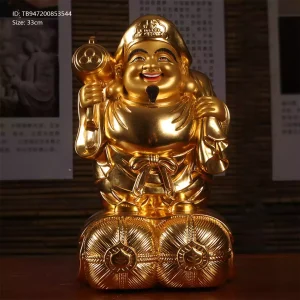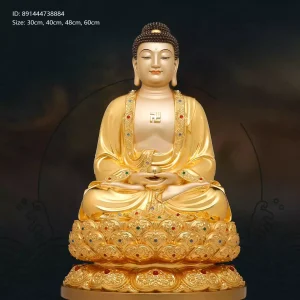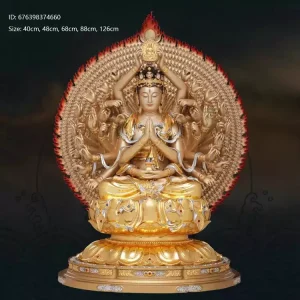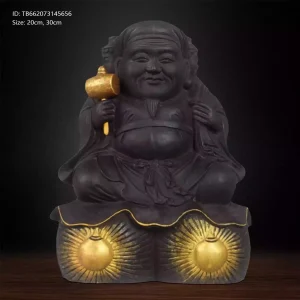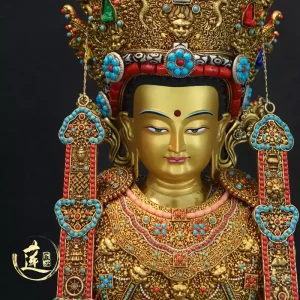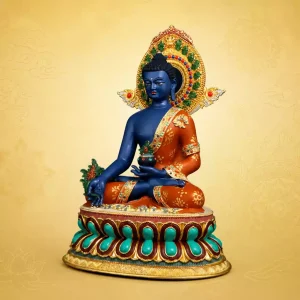

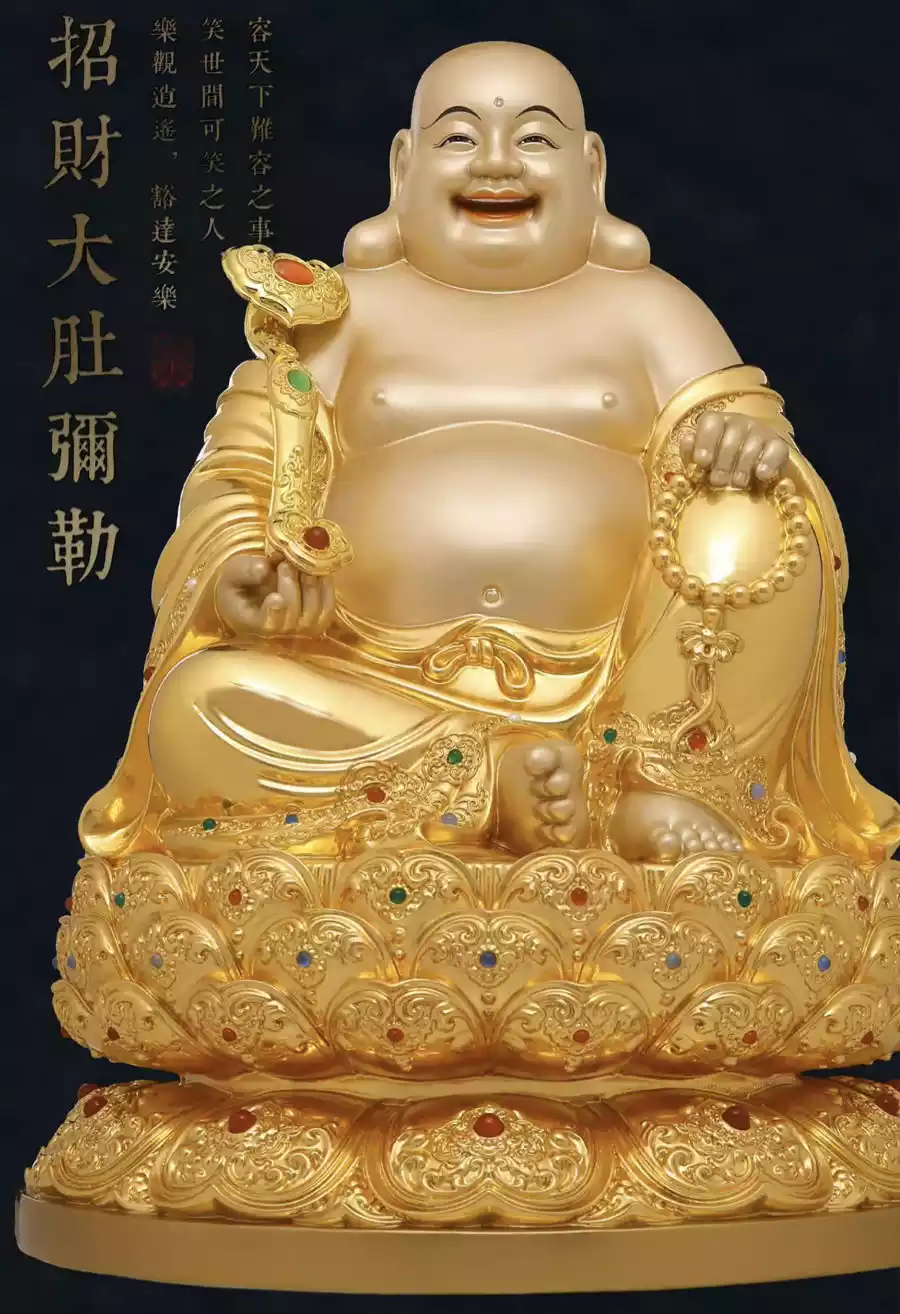
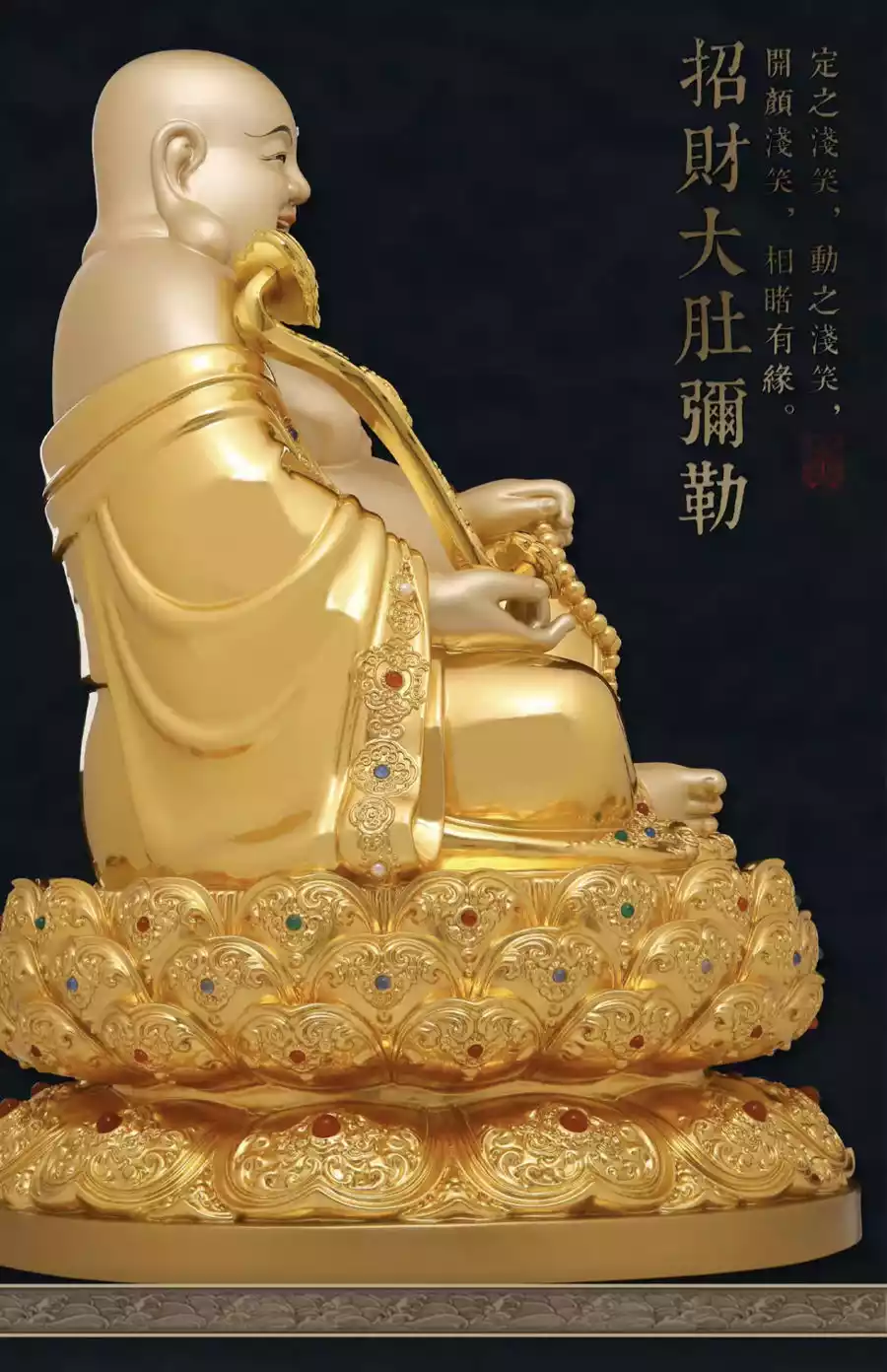
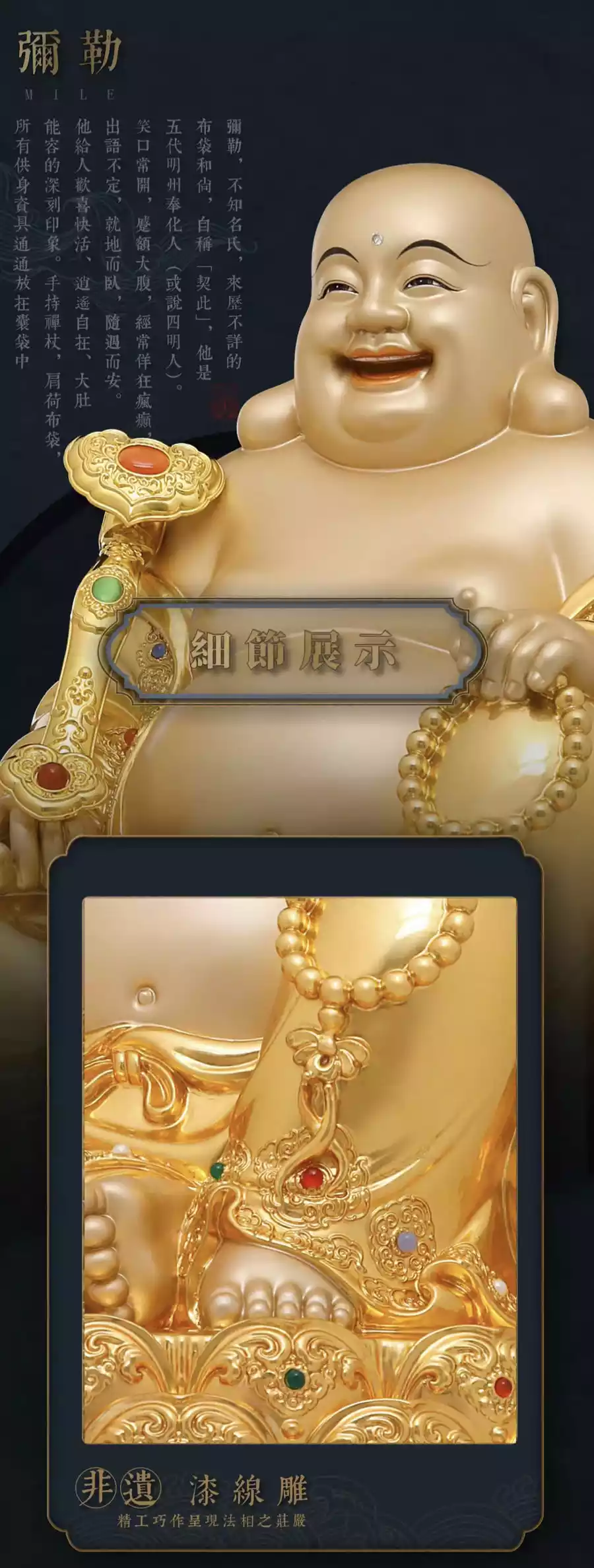
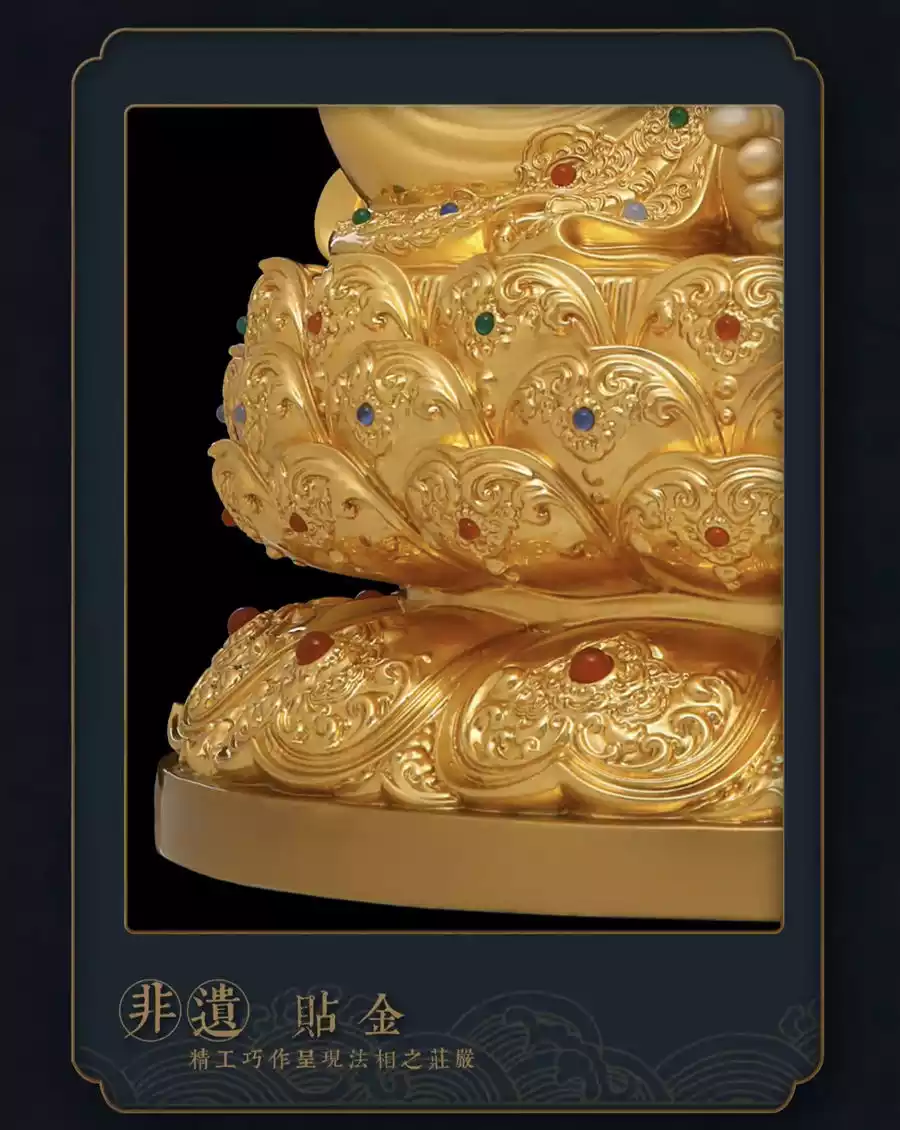
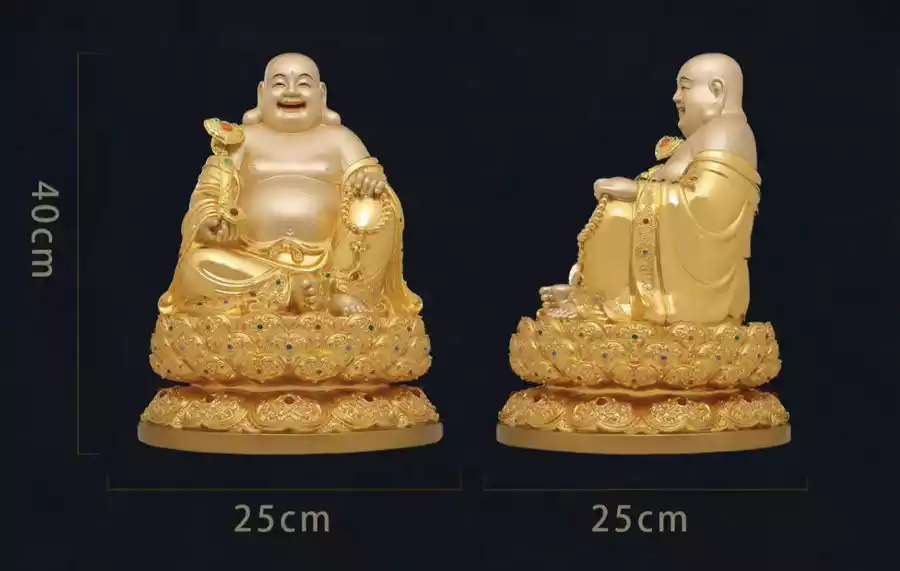
彌勒笑佛像
請注意: This Maitreya Laughing Buddha Statue belong to BSA.
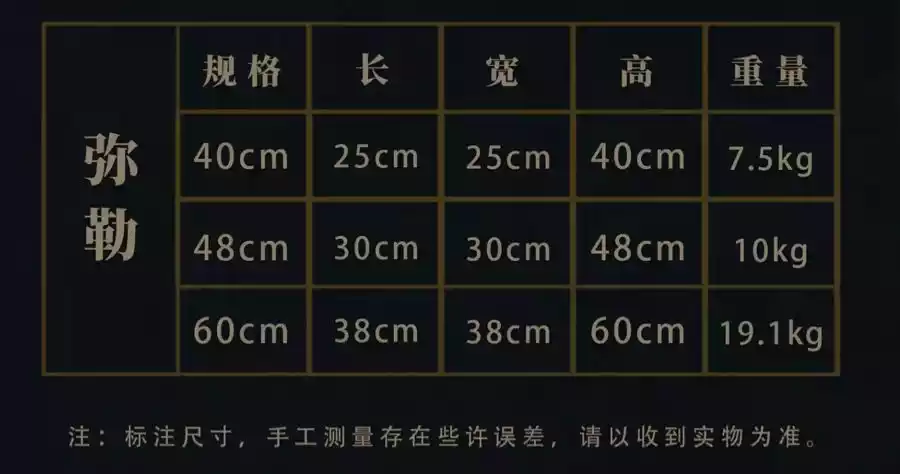
您可以聯絡我們購買. 這款式有 4 尺寸: 30公分, 40公分, 48公分, 60公分.
價格為30cm款式. 如果您想要需要其他尺寸, 請聯絡我們查看價格.
如果您想自訂自己的設計, 我們的設計師可以與您合作.
| 標題 | 彌勒笑佛像 |
| 類別 | 黃銅 & 銅佛像 |
| 貨號. | TM891444738884 |
| 主題 | 佛教, 佛 |
| 尺寸 | 30公分: 19*19*30 公分, 5 公斤. 40公分: 25*25*40 公分, 7.5 公斤. 48公分: 30*30*48 公分, 10 公斤. 68公分: 38*38*60 公分, 19.1 公斤. |
| 顏色 | 金色. |
| 材料 | 黃銅材質. |
| 推薦使用方式 | 家, 室內的, 寺廟 |
| 交貨時間 | 關於 10-15 付款確認後的天數. |
| 付款條件 | 我們接受電匯, 貝寶. |
The meaning of laughing buddha
The Meaning of the Laughing Buddha: An Embodiment of Compassion, Joy, and Abundance.
The image of the pot-bellied, ever-smiling “笑佛” has long transcended cultural boundaries, becoming a beloved auspicious symbol. 然而, he is not Shakyamuni, the founder of Buddhism, but rather a Zen monk from Chinese folklore—the Laughing Buddha with a large belly. His image carries profound spiritual meaning, a perfect fusion of Eastern wisdom and folk belief.
A Large Belly
His exposed, round belly is his primary characteristic. This is not a symbol of gluttony, but rather represents a magnanimous and all-encompassing heart. It teaches people to be open-minded and optimistic, letting go of worries and petty calculations, and facing life with a broad mind.
A Constant Smile
His highly infectious, hearty laughter is a direct manifestation of “freedom from worries” and “attainment of ease.” This smile does not stem from worldly pleasures, but from inner enlightenment, contentment, 和和平. He reminds people that true happiness comes from inner richness, not from the acquisition of external things.
Compassion and Salvation
His ever-present bag, said to be filled with sweets, toys, and other treasures, is given to impoverished children. This symbolizes boundless compassion and giving. As an incarnation of Maitreya Bodhisattva, he vowed to help all sentient beings, embodying the Bodhisattva spirit of “bringing joy to others.”
Attracting Wealth and Fortune
In folk customs, touching his large belly brings good luck, wealth, and satisfaction. He is often depicted holding ingots or surrounded by coins, and is revered as one of the gods of wealth. This reflects the public’s yearning for a prosperous life, but the core logic is that a compassionate and joyful person naturally attracts and creates an abundant life.
In conclusion, the Laughing Buddha is not only a lucky charm but also a vivid example of spiritual practice. With his perfect image, he constantly reminds us: learning to be tolerant leads to a broad mind and a healthy body; understanding how to give joy leads to a cheerful disposition; and a heart filled with compassion and joy is the highest form of “blessing” and “wealth” in the world.