
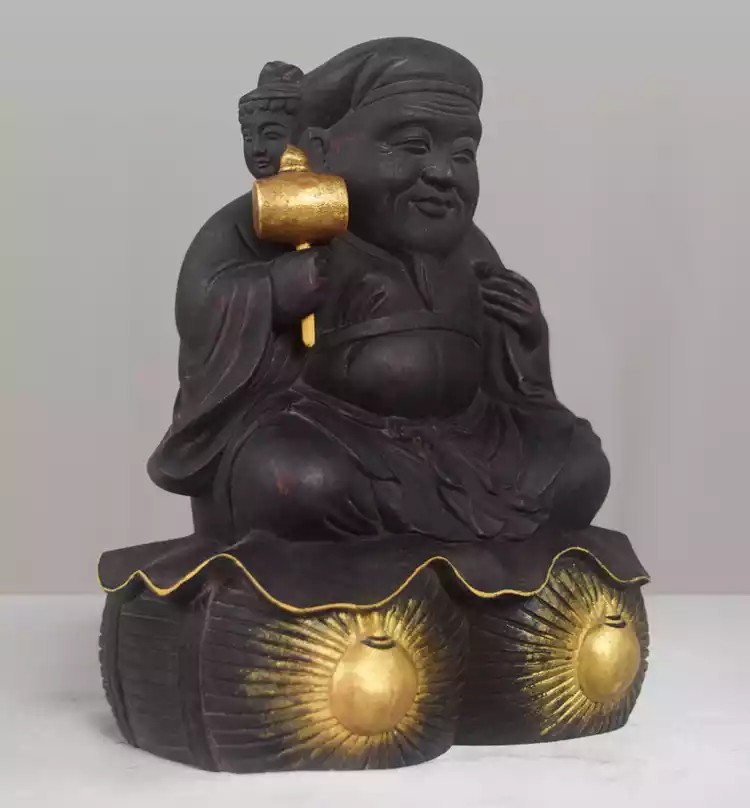
三面大黒天
ご注意ください: 三面大黒天 はBSAのものです.
購入するにはお問い合わせください. このスタイルには、 2 サイズ : 20cm, 30身長cm.
他のサイズが必要な場合, 価格を確認してご連絡ください.
独自のデザインをカスタマイズしたい場合, 私たちのデザイナーはあなたと協力することができます.
| タイトル | 三面大黒天 |
| カテゴリー | Wood Buddha Statue |
| 品目番号 | TB662073145656 |
| テーマ | 仏教, マハーカラ |
| サイズ | 20*17*24 cm. あなたのニーズに基づいてこの像を他のサイズに調整できます. |
| 色 | あなたの要件に基づいてカスタマイズされたカラーベース. |
| 材料 | クスノキ. 通常のヒノキ造像, 樟脳でも作れます, ツゲの木, チーク材. |
| 推奨される使用方法 | 家, 屋内, 寺 |
| 納期 | について 10-15 支払い確認後数日. |
| 支払い条件 | T/Tを受け入れます, ペイパル. |


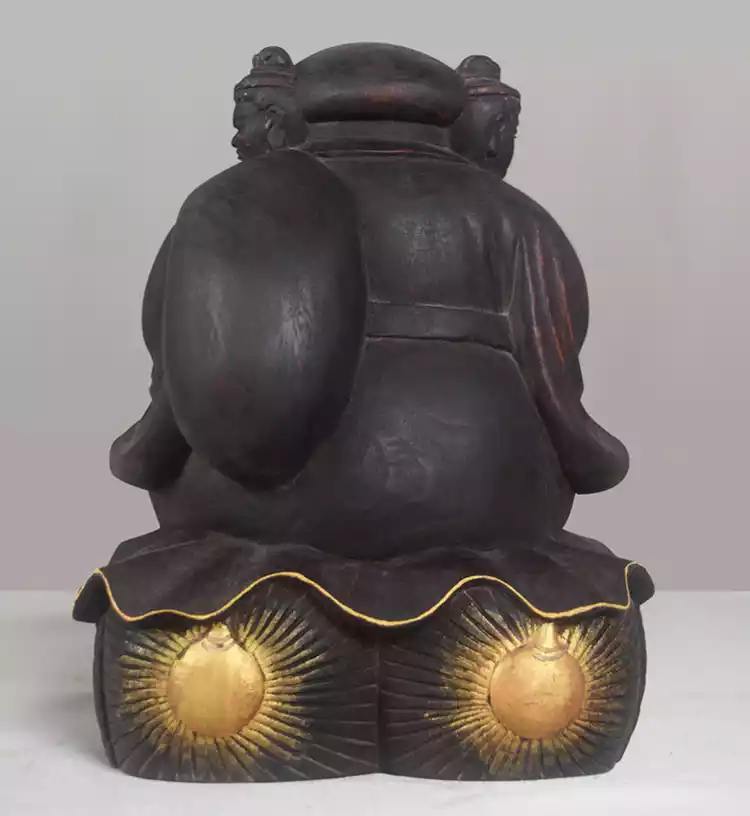
三面大黒天 の意義
三面大黒天(さんめんだいこくてん)像は、日本仏教と神道の習合や福徳信仰において非常に興味深い意義を持っています。以下に、その主な意義を解説します。
三面大黒天とは
三面大黒天は、大黒天・毘沙門天・弁才天の三尊が一体となった像で、正面が大黒天、右側面(向かって左)が毘沙門天、左側面(向かって右)が弁才天を表します。
この三尊は「三福神」とも呼ばれ、それぞれが異なる福徳をもたらすとされています。
三尊のそれぞれの意義
-
大黒天(正面)
元はヒンドゥー教のマハーカーラ(シヴァ神の化身)に由来し、日本では豊穣・財福・食物の神として信仰されています。台所や倉庫に祀られ、商売繁盛や家内安全の守護神とされます。 -
毘沙門天(右側面)
四天王や七福神の一尊で、戦いと財宝の神。武運や勝利、財産をもたらすとされ、また「厄除け」の役割も持ちます。 -
弁才天(左側面)
ヒンドゥー教のサラスヴァティー神に由来し、芸術・学問・音楽の神。弁舌や知恵、財運も司るとされます。
三面一体の意義
三面大黒天は、三つの福徳を一つの像に集約することで、総合的な福徳をもたらす存在として信仰されてきました。
-
経済的繁栄(大黒天)
-
勝利・安全(毘沙門天)
-
知恵・芸術(弁才天)
を同時に授かることができるとされます。
また、「三つの顔」は、物事を多角的に見る「智慧」や、あらゆる方向から衆生を救済する「慈悲」の象徴とも解釈されます。
三面大黒天歴史的背景
三面大黒天信仰は、神仏習合の影響を強く受けています。
-
大黒天は、日本神話の大国主神と習合(「大黒」と「大国」の音の類似から)し、神道の要素も取り込みました。
-
三面像は、中世以降の寺院や修験道、民間信仰で広がり、特に天台宗や真言宗の寺院で重視されることが多いです。
現代三面 大黒天 ご利益
現代でも、三面大黒天は以下のような場面で信仰されています:
-
商売繁盛:店舗や企業の守護神として。
-
学業成就:弁才天の加護を求めて。
-
開運招福:三福神の総合的なご利益を期待して。
-
芸術・文化:音楽家や作家など、創造的な仕事に携わる人の信仰対象
三面大黒天代表的な祀られている場所
-
東京・浅草寺:三面大黒天像が祀られ、多くの参拝者が訪れます。
-
京都・聖護院:三面大黒天を本尊とする堂があります。
-
その他:天台宗の寺院や、日本各地の神社・仏閣で見られます。
まとめ
三面大黒天は、福徳・智慧・財産・芸術・勝利など、人間が求める多様な恩恵を「一つの存在」に凝縮した象徴であり、日本独自の信仰形態として発展しました。
「一面だけでは足りない、すべての福を授かりたい」という人々の願いが形となったものと言えるでしょう。
The meaning of Daikoku
Daikoku (大黒天), often translated as “Great Black Deity” or “God of the Great Darkness,” is one of the most popular and complex figures in Japanese religion and folklore. His meaning has evolved significantly from his origins.
Origin: The Buddhist Wrathful Deity
Daikoku originates from the Indian deity Mahakala (the same figure from your previous question), a fierce protector of the Dharma (Buddhist law). In esoteric Buddhism (Shingon, Tendai), he was initially a wrathful, multi-armed guardian deity who conquered demons and obstacles.
Transformation in Japan: The God of Wealth & Agriculture
- From Wrathful to Benevolent: His fierce attributes softened. He became a smiling, happy figure.
- From Warrior to Provider: His role shifted from destroyer of obstacles to bestower of wealth, prosperity, and abundant harvests.
- Syncretism with Shinto: People syncretize it with Ōkuninushi, the Shinto deity of nation-building, agriculture, and medicine. This solidified his connection to the land and earthly blessings.
Primary Meaning & Iconography
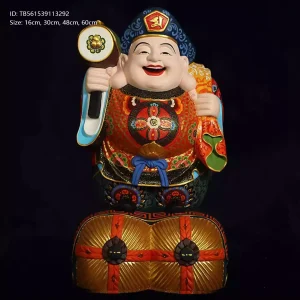
- Happy Face: A broad, smiling face, often with a wide hat.
- Seated on Bales of Rice: Symbolizing agricultural wealth.
- Holds a Mallet (Uchide no Kozuchi): A magic mallet that grants wishes and showers gold coins when shaken.
- Carries a Large Bag (Avaraseni no Bukuro): A treasure sack that is never empty, slung over his shoulder.
- Often with Rats: Rats are seen as his messengers (because they live in rice stores and are prolific), symbolizing abundance.
Key Domains of Influence
- Wealth & Business: Patron of merchants, shopkeepers, and business success.
- Agriculture: Ensures bountiful harvests.
- The Kitchen (Daikokubashira): The main pillar in a traditional Japanese kitchen is named after him. Placing his charm there protects the home and ensures the family never goes hungry.
- General Good Fortune & Happiness: His presence wards off poverty and brings overall prosperity.